
Repairs and Maintenance in Raleigh: Navigating Responsibilities with a Property Management Company
Maintaining rental properties in Raleigh requires a clear understanding of who is responsible for repairs and upkeep. Whether you own a single-family home or multiple rental units, partnering with a property management company can streamline maintenance processes and ensure tenant satisfaction. However, navigating the responsibilities between property managers and owners can sometimes be complex.
This article explores how to effectively manage repairs and maintenance in Raleigh by clearly defining roles, setting expectations, and fostering communication between property owners and management companies. Understanding these elements helps protect your investment and keeps your tenants happy.
The Role of Property Management
Property management companies act as the liaison between property owners and tenants, handling day-to-day operations such as rent collection, tenant screening, and maintenance coordination. One of their critical functions is overseeing repairs and maintenance to ensure properties remain safe, functional, and attractive.
In Raleigh's competitive rental market, timely and efficient rental maintenance and repairs can significantly impact tenant retention and property value. Property managers leverage their local knowledge and vendor networks to address issues promptly, often preventing minor problems from escalating.
Defining Responsibilities: Property Management Agreement
The foundation for smooth maintenance operations lies in a detailed property management agreement. This contract outlines the responsibilities of both the property owner and the management company regarding repairs and upkeep.
Typically, the agreement specifies which types of maintenance the property manager can authorize without prior approval and which require owner consent. It also clarifies financial limits for repairs, helping to avoid misunderstandings and delays in addressing property issues.
Defining Responsibilities: Property Inspection
Regular property inspections are essential to identifying maintenance needs before they become emergencies. Property managers usually conduct routine inspections to assess the condition of the property, checking for wear and tear, safety hazards, and compliance with local regulations.
These inspections provide an opportunity to document the property's state, enabling clear differentiation between normal aging and tenant-caused damage. They also help prioritize repairs and schedule maintenance efficiently.
Routine Maintenance Tasks
Routine maintenance includes tasks that keep a property running smoothly and prevent deterioration. Common examples include changing HVAC filters, cleaning gutters, testing smoke detectors, and servicing appliances.
In Raleigh’s climate, where humidity can affect building materials and systems, regular upkeep is particularly important. Property management companies often schedule these tasks seasonally to maintain optimal property conditions and reduce repair costs over time.
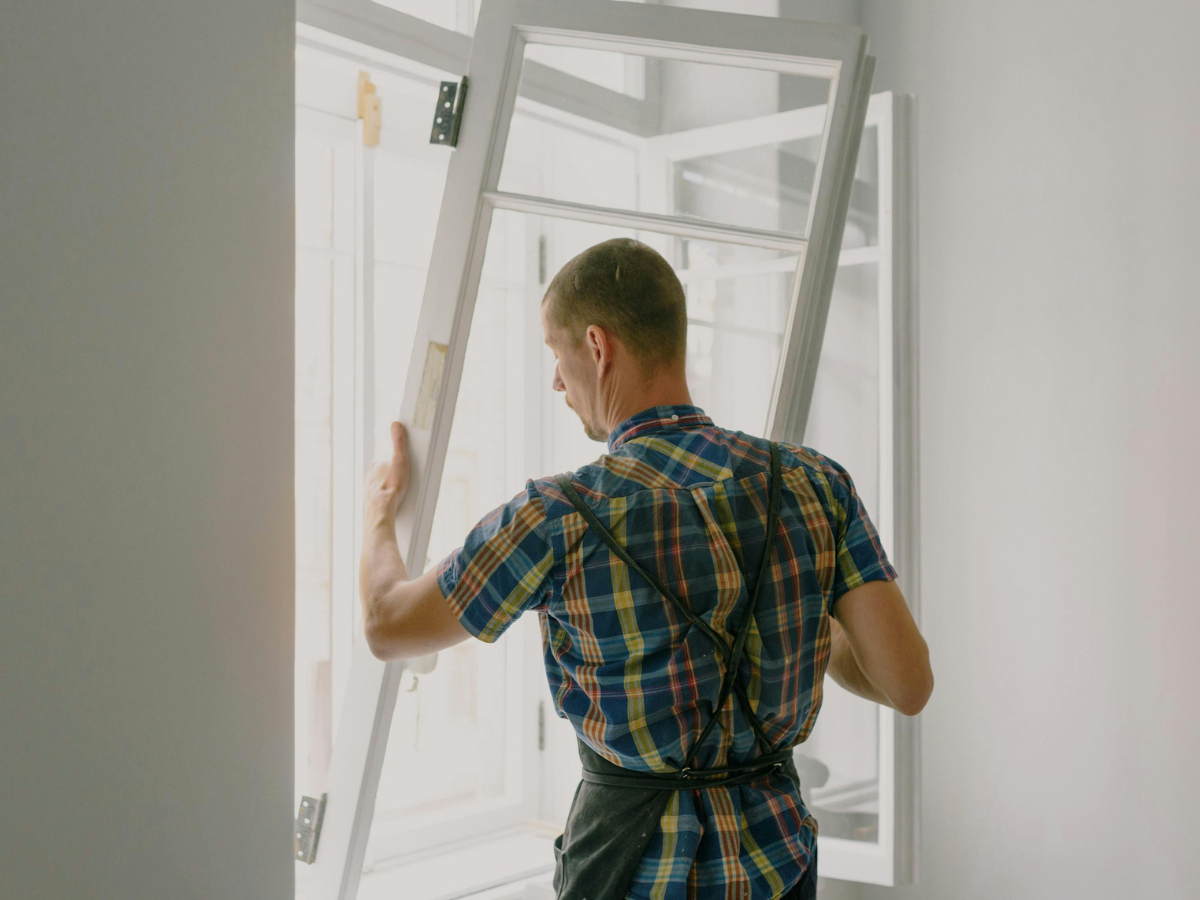
Scheduled Maintenance
Scheduled maintenance refers to planned activities that occur at set intervals, such as annual HVAC servicing, roof inspections, and pest control treatments. These proactive measures help extend the lifespan of critical systems and prevent unexpected breakdowns.
By adhering to a maintenance calendar, property managers can budget expenses more accurately and avoid the disruption caused by emergency repairs. This approach also aligns with best practices in property management and tenant care.
Emergency Repairs: Defining Emergencies
Emergencies require immediate attention to prevent harm to tenants or significant property damage. Examples include gas leaks, flooding, electrical failures, and broken locks that compromise security.
By defining what constitutes an emergency in the property management agreement, both owners and managers are able to respond appropriately. This clarity helps property managers act swiftly while respecting the owner's authority and financial parameters.
Emergency Repairs: 24/7 Availability
Many property management companies in Raleigh offer 24/7 emergency repair services to address urgent issues outside regular business hours. This availability is crucial for tenant safety and satisfaction, minimizing downtime and mitigating damage.
Owners should confirm the extent of emergency services provided and understand any associated costs. Transparent communication about after-hours procedures helps prevent confusion during stressful situations.
Budgeting for Maintenance
Effective budgeting is key to managing repair and maintenance expenses without surprises. Property owners should allocate a portion of rental income toward a maintenance reserve fund, typically between 5% to 10%, depending on the property's age and condition.
Property managers can assist by providing detailed maintenance forecasts based on historical data and local market conditions in Raleigh. This collaboration ensures funds are available when needed and supports long-term property health.
H2: Owner Authorization
While property managers often have the authority to approve routine repairs, significant expenses usually require owner authorization. This process protects owners from unexpected financial commitments and allows them to make informed decisions about major repairs or upgrades.
Establishing clear communication channels and approval thresholds in the management agreement helps streamline this process, ensuring repairs are addressed promptly without unnecessary delays.
Effective Communication
Open and consistent communication between property owners and management companies is vital for successful maintenance management. Regular updates on repair status, inspection findings, and budget expenditures keep owners informed and engaged.
Utilizing property management software or dedicated communication platforms can facilitate timely information sharing and documentation, reducing misunderstandings and improving overall efficiency.
Maintenance Requests
Tenants typically submit maintenance requests through the property management company. A well-organized system for tracking and prioritizing these requests ensures timely responses and helps maintain tenant satisfaction.
Property managers should categorize requests by urgency and type, scheduling routine tasks appropriately while addressing emergencies immediately. Clear communication with tenants about expected timelines also fosters positive relationships.
Selecting Reliable Vendors
Choosing trustworthy and skilled vendors is crucial for quality repairs and maintenance. Property management companies often maintain a vetted network of contractors, electricians, plumbers, and other specialists familiar with Raleigh’s building codes and standards.
Reliable vendors can provide timely service, competitive pricing, and high-quality workmanship, all of which contribute to the property's longevity and tenant comfort.
Obtaining Competitive Bids
To ensure fair pricing and quality, property managers may obtain multiple bids for significant repairs or renovations. Comparing proposals allows owners to make informed decisions and avoid overpaying.
This practice also encourages vendors to offer their best rates and services, fostering a competitive environment that benefits property owners and tenants alike.
Documentation and Reporting
Maintaining thorough documentation of all repairs, inspections, and communications is essential for legal compliance and financial tracking. Property management companies typically provide detailed reports to owners, including invoices, work orders, and maintenance logs.
Accurate records help resolve disputes, support insurance claims, and inform future maintenance planning, ensuring transparency and accountability.
Regular Maintenance vs. Resident-Induced Damage
Distinguishing between normal wear and tear and tenant-caused damage is important for assigning repair costs correctly. Routine maintenance covers issues arising from regular use, while damages caused by negligence or misuse may be charged to the tenant.
Clear lease agreements and inspection reports help define these boundaries, protecting owners from unfair expenses and encouraging tenants to care for the property responsibly.
Conclusion
Successfully navigating repairs and maintenance in Raleigh rental properties requires clear agreements, proactive inspections, and effective communication between property owners and management companies. By defining responsibilities, budgeting wisely, and selecting reliable vendors, owners can protect their investments and ensure tenant satisfaction.
Partnering with a knowledgeable property management company simplifies these processes, providing peace of mind and helping properties thrive in Raleigh’s dynamic rental market.
Invest in your properties, but don't get overcharged. If that's too stressful, hire Evernest to handle maintenance and repairs for you! Reach out to our Raleigh property management team today


